Ambulatory Wheelchair Users Exist
Choosing Support Without Giving Up Your Strength
There’s a (sometimes) quiet stigma around wheelchair use that doesn’t get talked about enough, the idea that using one means you’ve “given up,” that you’ve crossed some invisible line from capable to incapable.
But that narrative is not only outdated, it’s actually harmful.
Because for many of us living with chronic pain, especially in conditions like knee osteoarthritis or widespread pain conditions like fibromyalgia, mobility isn’t a fixed state. It fluctuates. Some days you can walk. Some days you can push through. And some days, every step feels like bone grinding on bone, like your body is asking you to STOP.
This is where ambulatory wheelchair use comes in.
What Is an Ambulatory Wheelchair User?
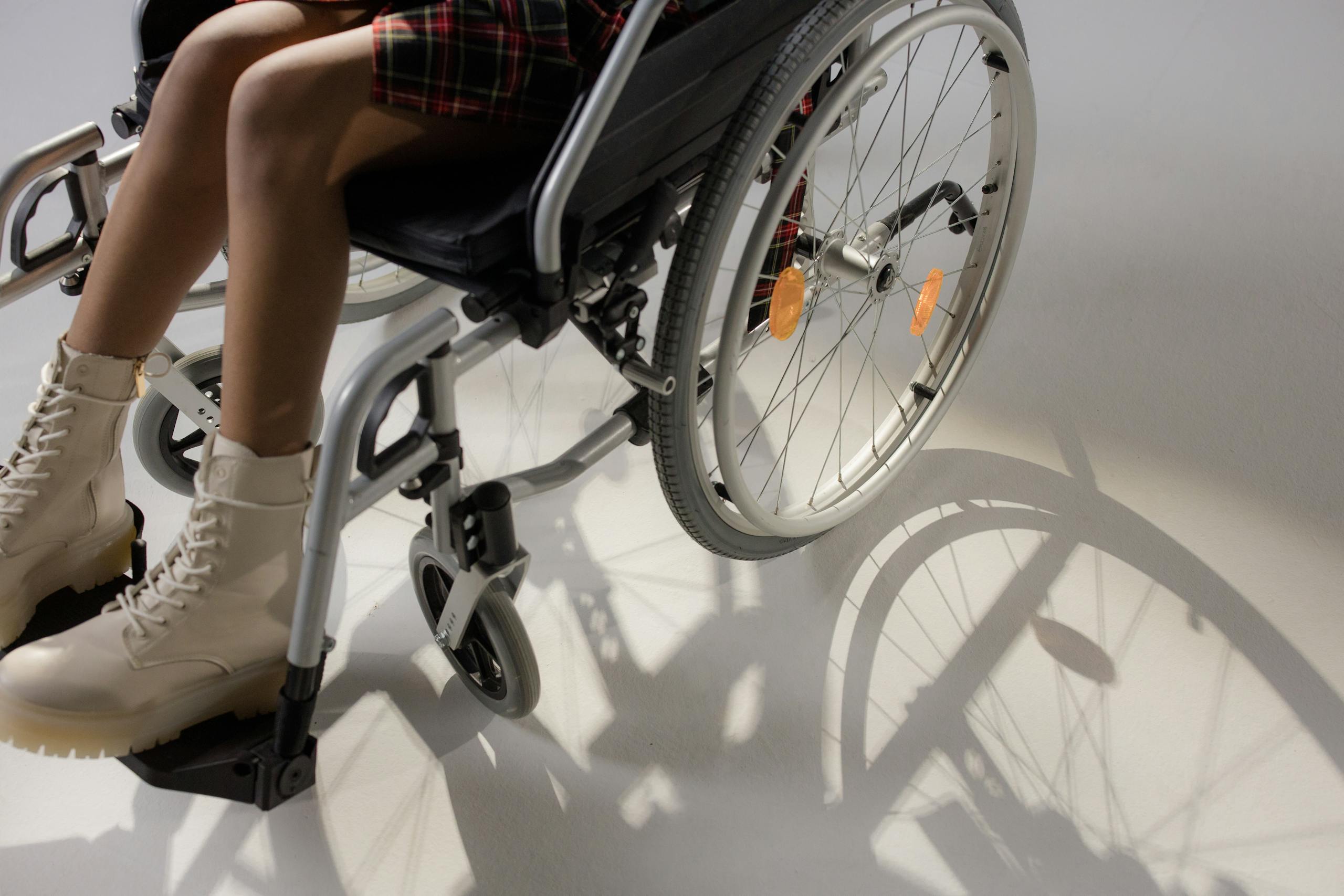
An ambulatory wheelchair user is someone who can walk, but not always safely, comfortably, or for long distances. They use a wheelchair as a tool, not a permanent replacement for walking, but a support when their body needs it.
And that distinction matters.
Because this isn’t about giving up movement.
It’s about protecting it.
Why Walking Through Pain Isn’t Always the “Strong” Choice
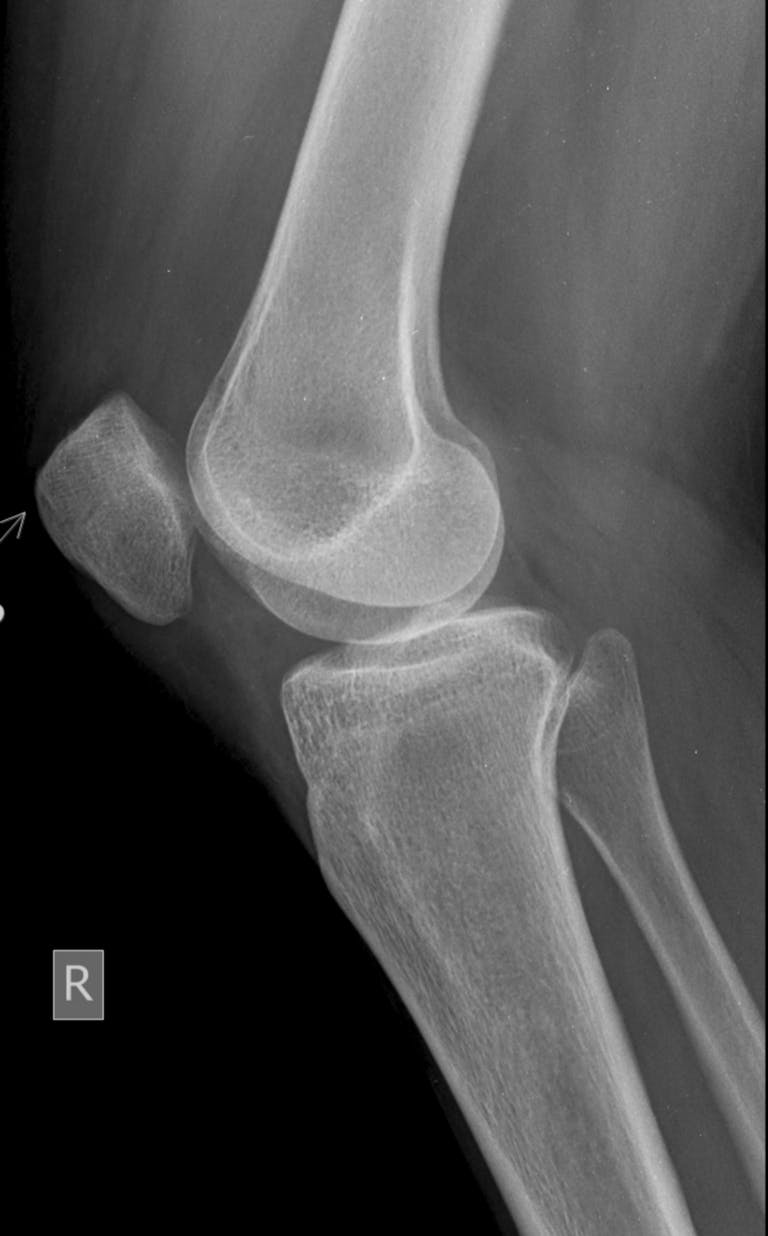
If you’re dealing with significant knee pain, especially conditions like my own advanced osteoarthritis, every step can contribute to:
- Increased joint inflammation
- Progressive cartilage breakdown
- Muscle fatigue that destabilizes the joint
- Pain flares that last for days
There’s a cultural pressure to “keep going,” to stay active at all costs. But there’s a difference between healthy movement and destructive persistence.
Sometimes, pushing through pain doesn’t build resilience.
It deepens injury.
How a Wheelchair Can Help Your Knees
Using a wheelchair strategically, especially for longer distances or high-demand outings, can actually reduce overall pain and protect your joints.
Here’s how:
1. Load Reduction on the Joint
Your knees carry your body weight with every step. When cartilage is worn down, that load becomes painful and damaging. A wheelchair gives your joints a break from constant compression.
2. Energy Conservation
Pain is exhausting. Fibromyalgia adds another layer of fatigue that isn’t just “tired”, it’s systemic. Using a chair allows you to conserve energy so you can participate in more of your life, not less.
3. Flare Prevention
Overdoing it on a “good day” often leads to a crash afterwards. A wheelchair can help you pace yourself and avoid those boom-and-bust cycles.
4. Improved Quality of Life
Instead of avoiding outings, errands or experiences because of pain, a wheelchair can make them accessible again. It shifts the question from “Can I handle this?” to “How can I do this comfortably?”
This Isn’t About Weakness, It’s About Strategy
Using a wheelchair doesn’t mean you stop walking altogether.
Many ambulatory users:
- Walk short distances at home
- Use other mobility aids (like canes or braces) for brief outings
- Switch to a wheelchair for longer distances, events or flare days
It becomes a tool in your toolkit, not your identity.
And importantly, using a wheelchair when needed can actually help preserve your ability to walk longer-term by reducing ongoing joint stress.
The Emotional Side No One Talks About
Let’s be honest: the hardest part often isn’t physical, it’s psychological.
You might feel:
- Like you’re “not sick enough” to use one
- Worried about how people will perceive you
- Afraid it means things are getting worse
But here’s the truth:
You are allowed to support your body before things get worse.
You are allowed to reduce pain, not just endure it.
You are allowed to choose ease.
Mobility aids don’t take independence away — they restore it.
Redefining Mobility on Your Terms
There is no single “right way” to move through the world.
For some people, strength looks like walking no matter what.
For others, strength looks like choosing support, pacing wisely and protecting their body so they can keep showing up in their life.
If your knees are asking for relief or if pain is limiting your world, it’s worth considering:
What could your life look like with the right support?
Not smaller.
Not restricted.
But expanded in a way that finally works with your body, instead of against it.
Because mobility isn’t about how you move.
It’s about whether you’re able to live your life.
Here are a few Tiktok videos talking about AWU.