How to Handle the Mental Load of Chronic Illness
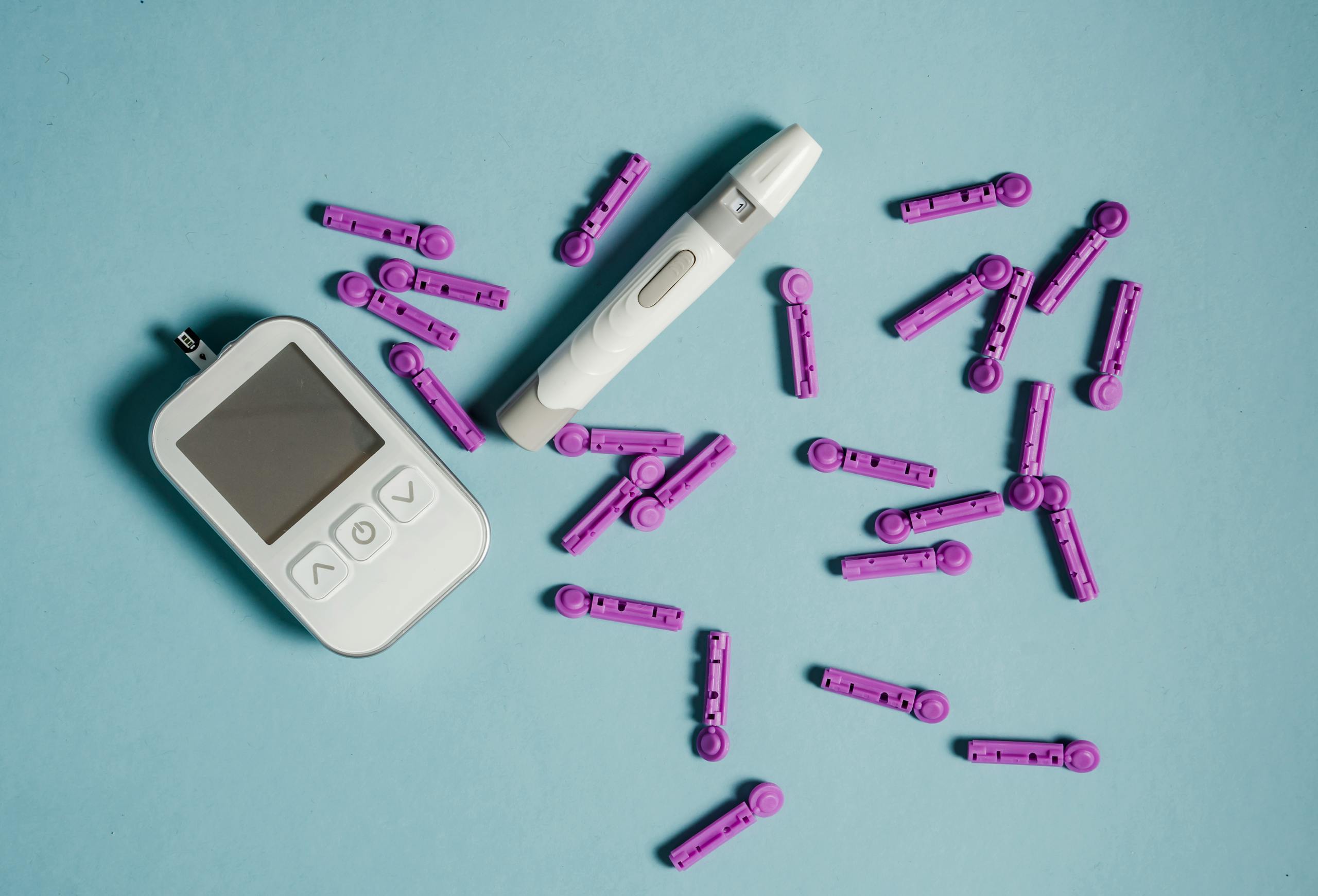
As you may or may not know, I have three chronic illnesses that limit what I can do on any given day. They are not predictable, are inconvenient and, for the most part, invisible. And even though I’ve tried to read everything I can about them, nothing really prepares you for the overwhelming emotions that you can experience. And I’m struggling with how to keep my emotions in check when things feel heavier than they should. Here are a few tips to help you if you struggle with the overwhelm.
1. Name what’s actually happening (this matters more than it sounds)
What you’re dealing with isn’t just inconvenience—it’s a mix of:
- Loss of independence
- Decision fatigue (everything takes more planning)
- Body distrust (“will my body cooperate today?”)
- Grief for your old life
- Invisible effort that no one sees
When you don’t name it, your brain turns it into “I’m just not handling this well.”
When you do name it, it becomes: “This is objectively hard.”
That shift alone reduces mental pressure.
2. Reduce the number of decisions your day requires
“Mental load” explodes when every small task becomes a problem to solve.
Try building default systems:
- A “low-mobility day” routine (meals, clothes, tasks already decided)
- Go-to easy meals that don’t require standing long (think crockpots and casseroles)
- A set place for everything you need within arm’s reach
- Pre-deciding: “On bad days, I don’t push through pain”
You’re not being rigid, you’re removing friction from a life that already has too much of it.
3. Redefine what “functional” looks like (this is a big one)
This is where a lot of the mental strain comes from.
If your internal standard is still:
“I should be able to do this like I used to”
…then every day feels like failure.
Instead, shift to:
“What lets me live my life with the least pain and energy cost?”
That might include:
- Sitting more
- Using mobility aids (even part-time)
- Breaking tasks into pieces
That’s not “giving in”—it’s strategic adaptation.
4. Stop negotiating with your pain all day
A huge mental drain is the constant internal bargaining:
- “Maybe I can push through this”
- “I should try a bit more”
- “Is it bad enough to stop?”
That loop is exhausting.
Try setting clear rules ahead of time, like:
- “Sharp pain = stop”
- “If I’m thinking about the pain constantly, I’m already overdoing it”
- “Tomorrow matters as much as today”
You’re taking the decision out of the moment—where emotions and frustration are loudest.
5. Break the identity hit (this part is usually hidden)
When your mobility changes, it can quietly affect how you see yourself:
- Capable → limited
- Independent → dependent
- Active → “stuck”
That’s heavy.
But here’s the reframe that helps:
You are not “less capable”—you are operating under different constraints.
Your value didn’t live in your body.
Try anchoring identity in things that aren’t taken by mobility:
- How you think
- How you care for people
- Your creativity, humour, resilience
6. Give your brain true rest (not just distraction)
Scrolling or zoning out doesn’t fully reset mental load.
What actually helps:
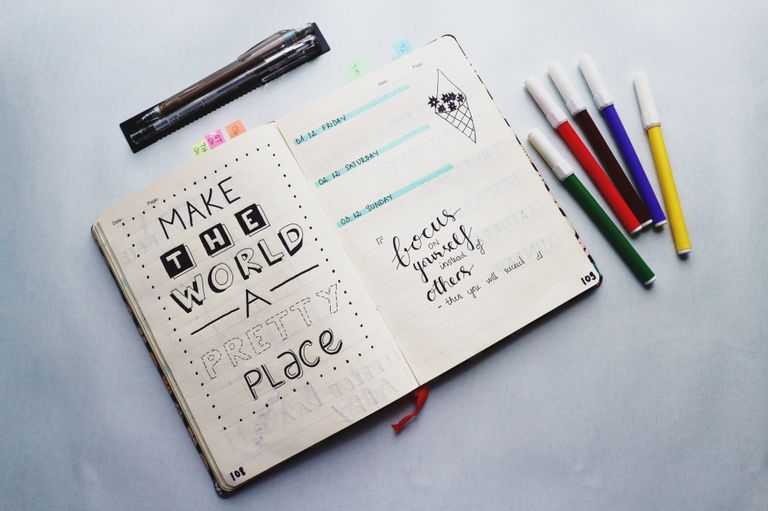
- Quiet activities (reading, journaling, gentle hobbies)
- Sensory rest (low noise, low stimulation)
- Letting yourself not solve anything for a bit
Your brain needs time where it’s not constantly adapting.
7. Let support exist without turning it into a failure
This one is hard, especially if you’re used to doing everything yourself.
Support can look like:
- Asking for help with specific tasks (not everything)
- Using tools (chairs, carts, grabbers)
- Delegating without over-explaining
Needing support is not a character flaw—it’s a response to current limitations.
8. Create a “no gaslighting” inner voice
If you’ve had to deal wtih people minimizing your pain—this is important.
When your brain says:
- “It’s not that bad”
- “You should be able to handle this”
Answer it with:
- “This is medically real”
- “My limits are valid”
- “Adapting is allowed”
You’re could be undoing years of conditioning there. That takes practice.
A grounding truth to hold onto
You are not failing at life.
You are managing:
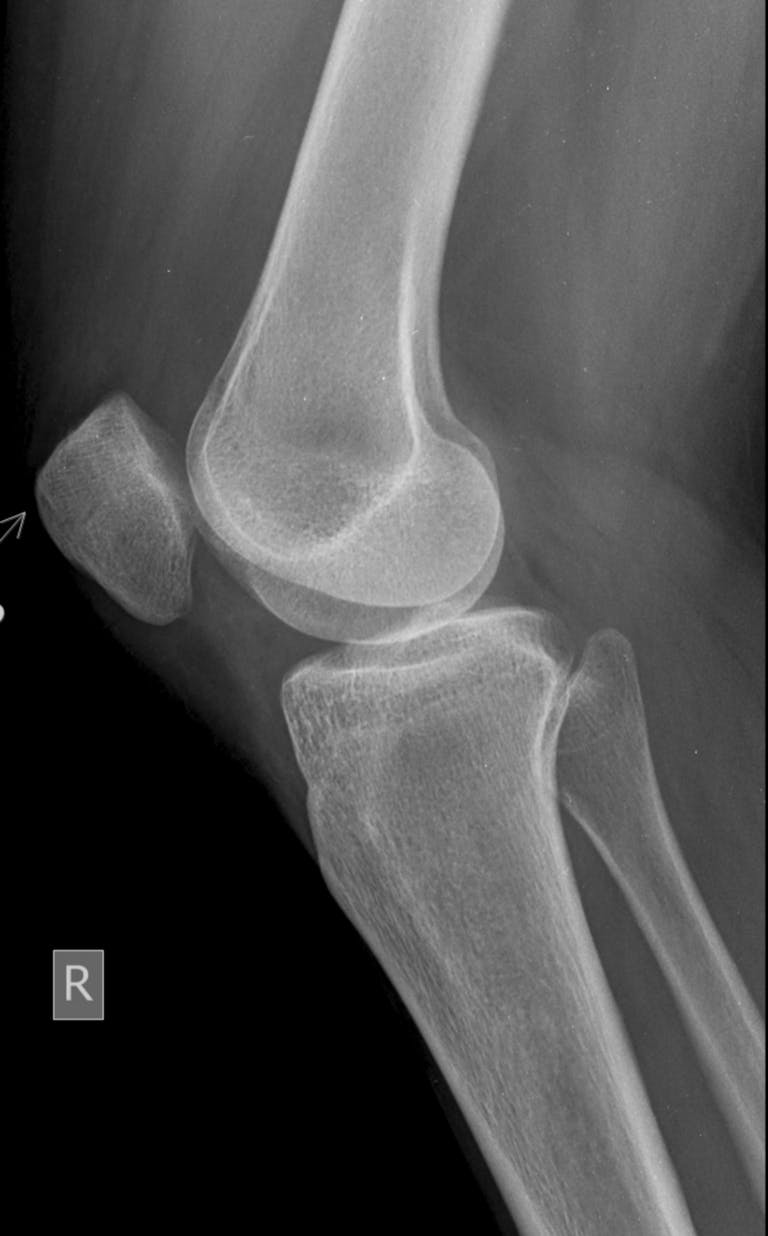
- Chronic pain
- Possibly fatigue from conditions like fibromyalgia
- Limited mobility
And still trying to build a life inside that.
That’s not weakness, that’s a high cognitive and emotional load that most people never have to carry.
Please be gentle with yourself.